What is Bilingualism and Who Are Bilinguals?
What Language Do Bilinguals Think in?
Types of Bilingualism
How Many Languages Can a Child Learn at Once?
The Pros of Bilingualism: Why Teaching Your Child a Second Language is Worthwhile
The Cons of Bilingualism
4 steps to raising a bilingual child
How to Raise a Bilingual Baby in a Monolingual Household
What is Bilingualism and Who Are Bilinguals?
Imagine your child can easily switch between two or more languages, not only speak them but also think in them. Isn't that amazing? This phenomenon is called bilingualism.
While scholars still argue on the right definition of bilingualism, an accepted one comes from French linguist François Grosjean. He defines a bilingual person as someone who uses two or more languages in everyday life.
But bilingualism isn't just about knowing more than one language. It is first and foremost the ability to think in those languages, to understand their nuances, distinctive features and grammatical subtleties.
What Language Do Bilinguals Think in?
When a child is born into a bilingual family, they typically develop a unique 'switch' by the age of 5 or 6. This allows them to think equally well in both languages and use both of them without mixing two vocabularies.
It's important to note that not all bilinguals acquire their skills from birth. Let's look at different forms of bilingualism.
Types of Bilingualism
By Method of Acquisition:
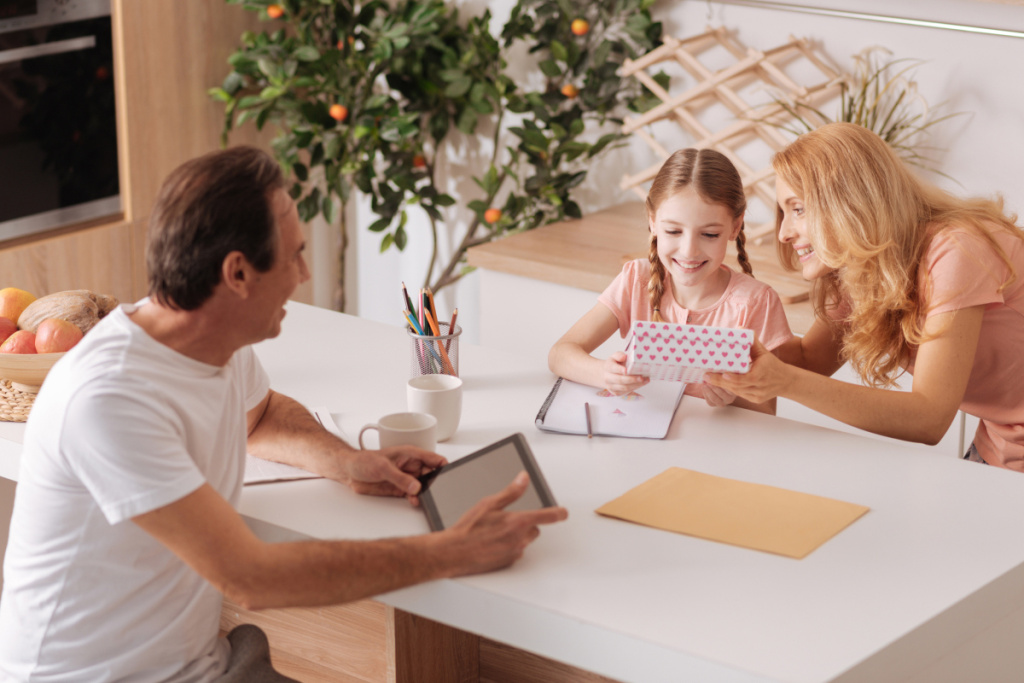
1. Native Bilingualism: When a child grows up in a family that speaks two or more languages. The child starts to use both languages and considers both languages as native.
2. Acquired Bilingualism: When a person learns a second language at an older age, often thanks to moving to another country or starting an education in another language.
By Age of Acquisition:
1. Early Bilingualism: When a child starts learning two languages at a young age, usually before the age of 5 or 6. For example, when a child attends a private nursery school with an English curriculum, or a child whose parents speak another language at home.
2. Late Bilingualism: In contrast to early bilingualism, this involves learning a second language at a later milestone in life.By Proficiency Level:
1. Passive Bilingualism: A person understands a second language but is not always able or willing to express themselves in it. For example, a child raised in a bilingual household may understand both languages but prefers to speak only one.
2. Active Bilingualism: In this scenario, a person is fully capable of speaking and understanding both languages fluently.
How Many Languages Can a Child Learn at Once?
Babies are brilliant learners and can study 2-3 languages at the same time. They have highly adaptable brains, which are receptive to new vocabulary. It is quite common for children to become proficient in two or more languages simultaneously in their childhood. For example, a baby might learn two-three languages at home if parents and caregivers consistently speak those languages.
But keep in mind that the more languages introduced, the more complex the learning process becomes.
The Pros of Bilingualism: Why Teaching Your Child a Second Language is Worthwhile
Bilingualism, regardless of its form, offers a multitude of advantages. Here, we explore why teaching your child a second language is a valuable investment.
1. Cognitive Benefits
Research shows that bilingual people have more flexible thinking, better concentration, improved logic and advanced verbal skills (Bialystok & DePape, 2009; Craik & Bialystok, 2005). They also have a reduced risk of developing Alzheimer's disease and age-related dementia. Learning a second language stimulates the growth of new neurons, thereby increasing the neuroplasticity of the brain.
2. Enhanced Memory and Language Skills
Bilingual children learn new words more quickly and navigate the subtleties of language more easily. They tend to remember twice as many words per day as monolinguals.
3. Development of Emotional Intelligence
Bilinguals often have a better understanding of different languages, cultures, and perspectives. They can express emotions in two languages and have a well-developed emotional intelligence.
For example, the Russian language uses a single word, "обида," to describe the feeling of hurt, while English has more synonyms such as resentment, insult, offence, hurt, grudge, and bitterness.
4. Multitasking
Bilingual children can switch from one language to another, and that is how they develop multitasking skills. A Canadian study by Raluca Barac and Ellen Bialystok investigated how bilingualism helps with task switching. More than one hundred six-year-olds were divided into bilingual and non-bilingual groups and asked to find differences between images on a screen. The bilingual children completed the task faster.
5. Boost in Creativity
Bilingualism develops creativity and the ability to generate innovative ideas and come up with multiple solutions to a problem. This conclusion is supported by the research of the psychologist I.V. Sokolova.
6. Improved Communication Skills
Bilingualism builds successful social relationships. Bilingual children find it easier to integrate into new groups as they are taught that diversity is normal and know more about the cultures whose languages they speak.
7. Successful Career Prospects
Bilingual skills are a valuable asset in any field. Employers appreciate employees who can communicate in more than one language and learn new information quickly. As a result, bilingual children are more likely to succeed in their careers.
While bilingualism offers significant benefits, it also comes with challenges.
The Cons of Bilingualism
1. Speech Development
Children who grow up learning two languages may have a slight delay in the development of reading, comprehension and spelling skills compared to their monolingual peers.
A study by American researchers (Melby-Lervåg, M., & Lervåg, A., "Reading comprehension and its underlying components in second-language learners: A meta-analysis of studies comparing first- and second-language learners") found that bilingual children often experience a slight delay in mastering reading skills, understanding written text and spelling. However, this research refers specifically to children from families where the household language is different from the school language.
2. Uneven Development of Language Skills
One language may develop faster than the other. This situation can potentially lead to an imbalance in vocabulary and language skills between two or more languages.
There is also a risk of semilingualism, when a child does not achieve full proficiency in either language due to lack of practice or other factors.
3. Language Mixing
This happens when children combine elements of both languages into one expression or phrase.
Some parents may be concerned about this. However, language mixing is a normal part of bilingual development. It shows the child's ability to use a language according to context or interlocutor.
4 steps to raising a bilingual child
Raising a multilingual child can be a rewarding yet challenging task. To make this journey more enjoyable for you and your bilingual child development, consider using these following effective strategies:
Thematic Games
Children learn best by playing. Thematic games can be very helpful in understanding and memorising words and phrases. For example, a game of ‘Kitchen’ can teach children vocabulary related to food and cooking. Similarly, a game of ‘Shop’ can teach the kid some words to describe what they want to buy in the target language.
Educational Videos
Educational videos often feature lively animation and simple storylines, making them accessible and appealing to children. Choose cartoons or short films in the language you are learning and watch them with your child. Discuss the content and practise new words and phrases.
Daily Communication
Regular interaction in the target language can help your child understand its meaning, sounds and structure. Just start with simple conversations, read books or even sing songs in the language you are learning. And you will see how daily communication improves your child’s language skills.
Flashcards
Flashcards with pictures and words are an easy but effective way to build your child's vocabulary. Create your own sets of flashcards and review these cards with your child regularly.
By using these strategies, you can create a rich linguistic environment that supports and facilitates your child's bilingual development.
How to Raise a Bilingual Baby in a Monolingual Household
- Start as early as possible.
The earlier children are exposed to a second language, the more easily they can absorb it.
- Consistency is key.
Establish regular times for language exposure, whether through daily routines, specific activities, or designated "language time." Use it during mealtime, playtime, or bedtime routines. Label objects around the house in both languages to help reinforce vocabulary.
- Interaction with native speakers is invaluable.
Arrange playdates with children who speak the target language, or find a language exchange partner. If possible, travel to places where the language is spoken to provide real-world practice.
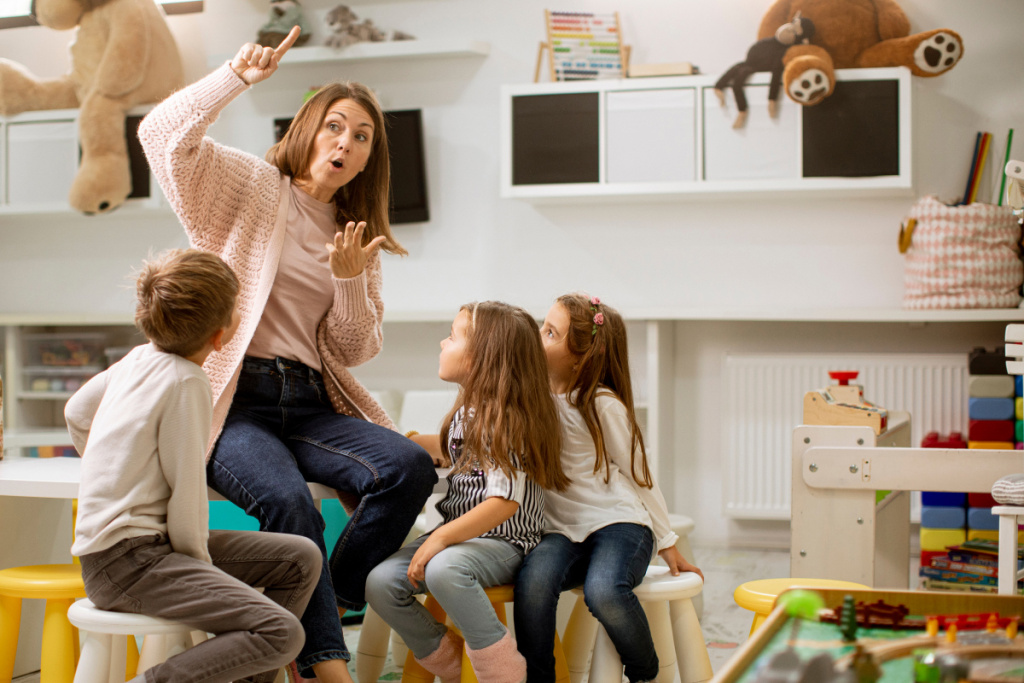
Enrolling your child in a childcare centre and school where another language is spoken is an excellent way to immerse them in a new language environment. The British International School, for example, offers a bilingual environment with many advantages:
- Integrated language use: English is not treated as a separate subject, but is seamlessly integrated into both the classroom and daily interactions.
- Emphasis on extracurricular activities: Activities such as drama, field trips and school clubs are highly valued and promote natural language immersion.
- Native teachers: Native teachers create a comfortable atmosphere that encourages active participation and a genuine interest in the language.
- Early start to language learning: Teaching begins at an early age, from 2-3 years old, taking full advantage of the peak development of a child's language abilities.
- Increased bilingual competence: Starting education in a bilingual environment from an early age greatly increases the likelihood of becoming bilingual without the need to send children abroad for their studies.
To learn more about bilingual education, feel free to contact us at +7 495 191-29-22.